
 Weld
WeldIf your heat pump is frequently breaking down, causing rising energy bills, or aging beyond its prime, you may be wondering whether heat pump repair or replacement is the best option. This decision process is similar for other systems like air conditioners, AC, air conditioning units, heating systems, furnaces, boilers, and heaters, as well as your overall HVAC system—choosing the right system is essential for comfort and efficiency. It’s important to recognize common signs that indicate repair or replacement may be needed, such as inadequate heating or cooling, high energy bills, and ice buildup on the outdoor unit. We provide professional installation and transparent pricing for both residential and commercial air conditioning units, ensuring you receive expert service for your property. Proper installation is also critical for system efficiency and longevity. Our services include installation, repair, and maintenance for furnaces and heaters, helping ensure reliable winter operation and energy efficiency. Professional maintenance and repair for air conditioners, air conditioning units, heating systems, furnaces, boilers, and heaters help maintain comfort and prevent unexpected breakdowns.
At Affordable Home Services, we help homeowners make informed decisions based on cost efficiency, energy savings, and overall home comfort, and we offer professional replacement services for outdated or inefficient equipment. Our team has extensive expertise in resolving HVAC issues, including emergency services and dedicated troubleshooting to restore your comfort quickly. A professional HVAC system assessment can help determine the best course of action for your needs, and routine maintenance services are essential for keeping all heating and cooling systems running efficiently.
Homeowners generally spend between $200 and $1,200 for standard heat pump repairs. The typical heat pump repair process involves structured diagnostic and mechanical steps executed by a licensed HVAC technician. Initial steps in the repair process include a walk-through, interview, comprehensive inspection, operational testing, isolating the problem, and post-repair testing. Always choose contractors familiar with cold-climate heat pumps to ensure proper, efficient operation. Cold-climate heat pumps are designed specifically to handle sub-zero winter temperatures efficiently. Also, verify that technicians hold North American Technician Excellence (NATE) certification, are certified to handle chemical refrigerants under EPA Section 608, and have active liability insurance and any city-required operating permits.
Heat pumps are an energy-efficient alternative to traditional heating and cooling systems, providing both heating and cooling capabilities in an energy efficient way. When installing a heat pump, it is crucial to choose the right size and type of system to ensure optimal performance and energy efficiency. Ground source heat pumps, also known as geothermal systems, draw heat from the earth and are among the most efficient and long-lasting heating systems available. Air source heat pumps transfer heat between your house and the air outside, making them suitable for mild to moderate climates. For optimal performance and energy efficiency, consider modern control options like a programmable thermostat.
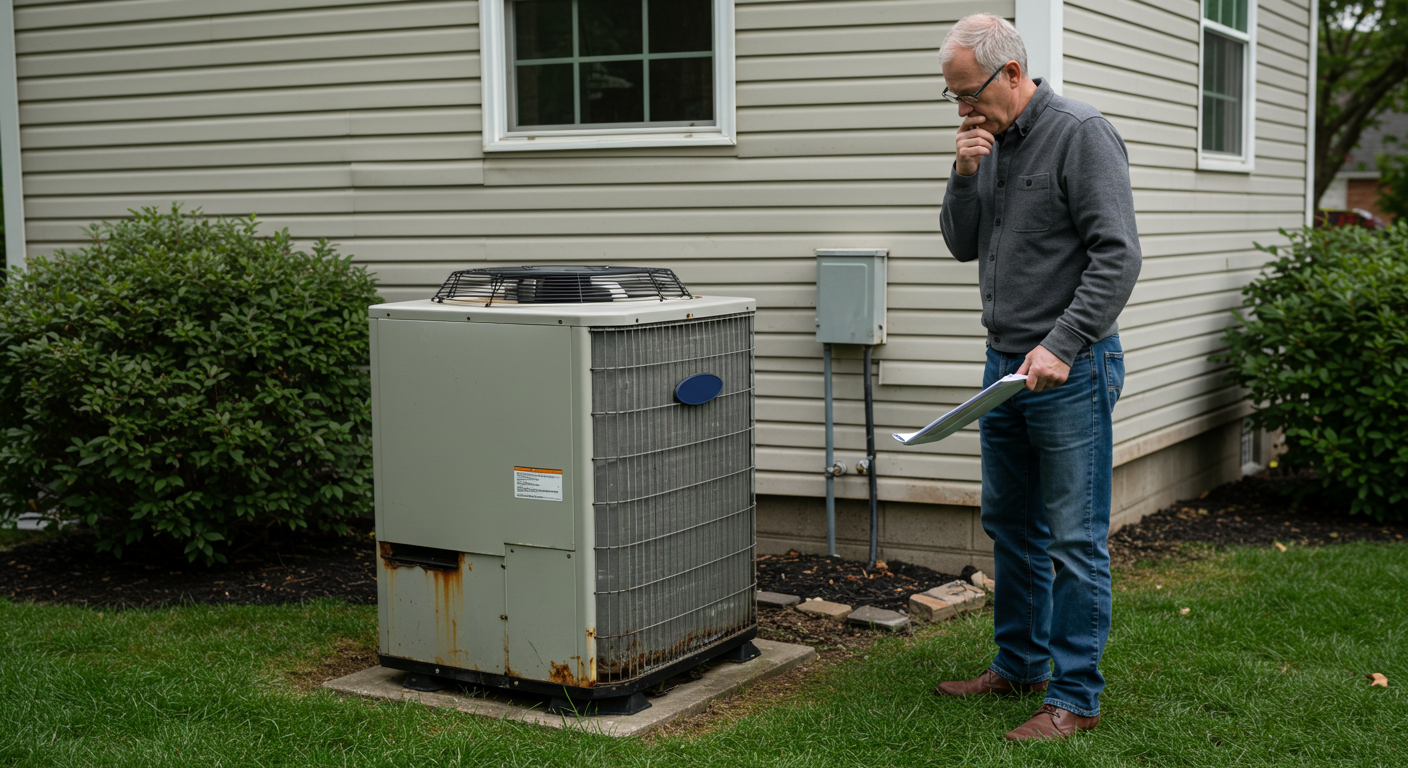
Benefits of Using a Heat Pump
Efficient Heating and Cooling
Heat pumps offer an efficient solution for both heating and cooling your home or business. By transferring heat rather than generating it, heat pumps use less energy, resulting in lower energy consumption and improved energy efficiency. This technology provides consistent heating and cooling throughout your space, helping to maintain a comfortable temperature year-round. Additionally, heat pumps can improve indoor air quality by circulating and filtering air, creating a healthier environment for your family or employees. Choosing a heat pump is an efficient way to manage your heating and cooling needs, and pairing it with a programmable thermostat can further optimize energy savings while keeping energy bills under control and ensuring reliable comfort.
Lower Operating Costs
One of the main advantages of heat pumps is their ability to lower operating costs. Their high energy efficiency means you can significantly reduce your energy bills, especially when compared to traditional heating and cooling systems, and routine maintenance services help maintain these low operating costs. This is particularly beneficial for businesses using commercial HVAC services, where energy consumption and costs can be substantial. Regular maintenance services help keep your heat pump running efficiently, maximizing savings and extending the life of your system. By investing in a well-maintained heat pump, you can enjoy efficient heating and cooling while saving money on energy costs and ongoing HVAC services.
Environmentally Friendly Operation
Heat pumps are an environmentally friendly choice for heating and cooling, as they do not rely on burning fuel or emitting greenhouse gases. This energy efficient technology helps reduce your carbon footprint and supports a more sustainable approach to indoor comfort. When combined with other energy-saving solutions like programmable thermostats and high-quality air filters, heat pumps contribute to a comprehensive, eco-friendly heating and cooling system. By choosing a heat pump, you benefit from efficient, reliable performance while helping to protect the environment for future generations.
Key Indicators Your Heat Pump Needs Replacement
Frequent Breakdowns
If your heat pump requires multiple repairs each season or produces unusual noises, such as making strange noises like screeching, grinding, or rattling sounds, it could be at the end of its lifespan. Short cycling, where the unit repeatedly turns on and off in quick bursts under 10 minutes, is another warning sign. Emergency heat pump repairs are essential when the system is making strange noises, fails to heat or cool properly, or causes spikes in energy bills. Common issues requiring emergency heat pump repair include refrigerant leaks, electrical failures, and malfunctioning thermostats. Repeated repair costs add up, making replacement the more cost-effective choice.
Safety Tip: DIY repairs can be hazardous due to high-voltage components and refrigerants. Always consult a licensed HVAC technician.
Rising Energy Bills
A steady increase in energy bills often signals a loss of efficiency. Replacing your heat pump with a high-efficiency model can significantly lower monthly energy costs and improve performance.
System Age
Most heat pumps last 10 to 12 years. If your unit is over a decade old and experiencing issues, a new system may offer better reliability and efficiency.
When Repairs Make Sense
Not all heat pump issues require a full replacement. Our experienced technicians perform repairs and routine maintenance services to keep your system running efficiently, help prevent unexpected breakdowns, and extend its lifespan. The typical heat pump repair process involves structured diagnostic and mechanical steps executed by a licensed HVAC technician, including a walk-through, interview, comprehensive inspection, operational testing, isolating the problem, and post-repair testing. Standard diagnostic trip fees typically range from $70 to $200, with hourly labor costs averaging $75 to $150 per hour. Minor repairs may cost between $75 and $300, medium repairs can range from $400 to $1,200, and most heat pump repairs typically cost $150 to $950, with common issues averaging around $550 to $650.
Routine maintenance is crucial to keeping your heat pump running smoothly year-round, helping you save money and extend the life of your unit. When performing repairs, we also ensure proper installation of any replacement components to maximize system longevity and optimal performance. We recommend addressing heat pump issues promptly to avoid more expensive repairs and ensure your home remains comfortable during extreme weather conditions. For precise quotes, always contact a licensed HVAC contractor, as costs can vary based on the contractor and the age of your unit. Consider these factors before making your decision:
Ice buildup
Common in winter, ice can form on the outdoor unit and affect performance. Heavy ice buildup can occur when solid layers of thick ice cover the outdoor coils during seasonal transitions.
Minor Repairs
Issues like noisy operation, thermostat malfunctions, or clogged ducts are often inexpensive to fix. Routine maintenance can prevent these problems from escalating.
Under Warranty
If your heat pump is still under warranty, covered repairs can reduce your out-of-pocket expenses. Check your warranty details before deciding on a replacement.
Less Than 10 Years Old
If your system is well-maintained and under 10 years old, it likely has several years of service left. Repairs are often the most cost-effective option in this case.
Pro Tip: Even minor repairs should be handled by professionals to ensure proper function and safety.
Cost Considerations: Repair vs. Replace
Compare Repair Costs to Replacement Costs
- If repair costs exceed 50% of a new unit’s price, replacement is usually the better investment.
- For older systems, even repairs over one-third of the replacement cost may indicate it’s time for an upgrade.
Energy Savings with New Models
High-efficiency heat pumps or upgrading to a new air conditioner can cut energy costs by hundreds of dollars annually, offering improved efficiency and cost savings while providing an energy-efficient way to heat and cool your home. Many qualify for rebates and tax incentives, making them a smart financial choice.
Flexible Financing Options
Affordable Home Services offers flexible financing plans to make replacements more affordable.
Impact on Home Comfort
Uneven Heating & Cooling
Hot and cold spots in your home indicate an inefficient heat pump. Upgrading to a modern system ensures even temperature distribution.
Humidity Control Issues
Older heat pumps may struggle with humidity control, leading to mold risks and discomfort. A new system can enhance indoor air quality and overall comfort.
Environmental Considerations
Improved Efficiency Ratings
Modern heat pumps have higher SEER (Seasonal Energy Efficiency Ratio) and HSPF (Heating Seasonal Performance Factor) ratings, leading to greater energy savings and reduced carbon footprint.
Eco-Friendly Refrigerants
Older systems often use R-22 refrigerants, which are being phased out. New models use R-410A, a more environmentally friendly alternative.
Extending the Life of Your Current System
If repairs are the better option, follow these maintenance tips to extend your heat pump’s lifespan and ensure reliable performance during the heating season:
- Change air filters every three months.
- Schedule professional maintenance annually—ideally before the heating season begins, as it is recommended to service your heating system at least once a year to prevent breakdowns and improve energy efficiency. Our technicians receive ongoing training to stay up-to-date with the latest maintenance and repair techniques, helping to extend the life of your heat pump. Incorporating routine maintenance services is essential for maximizing efficiency, preventing unexpected breakdowns, and ensuring your system operates at peak performance for years to come.
- Upgrade insulation to reduce strain on the unit.
The Importance of a Professional HVAC Assessment
Consulting an HVAC Expert
A licensed professional can identify underlying issues and provide an accurate assessment of whether to repair or replace your heat pump.
Thorough Inspections
A professional inspection uncovers efficiency and safety concerns, helping you avoid costly surprises in the future. Thorough inspections may also include checking the piping system for leaks or issues. Comprehensive HVAC inspections include testing electrical connections, verifying safety controls, managing refrigerants, and replacing components as needed.
Summary: Making the Right Decision
Deciding between repairing or replacing your heat pump depends on system age, repair costs, energy efficiency, and overall comfort. Affordable Home Services proudly provides residential and commercial heating, cooling, and HVAC services in Fort Collins, Greeley, CO, and throughout Northern Colorado. Their services in Greeley include comprehensive HVAC solutions—including boilers, furnaces, and expert installation services—for both residential and commercial customers, ensuring reliable comfort for homes and businesses alike. Commercial services feature tailored commercial heating and commercial HVAC systems designed to meet the unique needs of business customers. The team is dedicated to customer satisfaction, offering expert guidance to help customers choose the best system for their needs—prioritizing efficiency, comfort, and cost savings.
When choosing a provider, consider those offering emergency service, priority service, and reliable service to ensure prompt, trusted assistance—especially during urgent situations. Emergency or weekend services can add a flat premium of $100 to $300 to repair costs, so factor this into your decision. Emergency service availability may be crucial when looking for repair companies. Priority service is a key feature of maintenance plans, ensuring you receive prompt assistance during emergencies. Regular maintenance and professional assessments, along with routine maintenance services for all heating and cooling systems, are essential for maximizing system performance.
Frequently Asked Questions
How do I know when to replace my heat pump?
Answer: Replace your heat pump if it experiences frequent breakdowns, rising energy bills, or is over 10-15 years old.
Are frequent repairs a sign that I should replace my heat pump?
Answer: Yes, frequent repairs often indicate a failing heat pump, and replacement may be more cost-effective.
How can rising energy bills indicate a failing heat pump?
Answer: Higher bills typically mean your heat pump is losing efficiency, increasing operating costs.
What should I consider when deciding to repair or replace my heat pump?
Answer: Evaluate system age, warranty status, repair costs, and potential energy savings to make an informed choice.
How can regular maintenance prolong the life of my heat pump?
Answer: Tasks like changing air filters and cleaning ductwork ensure efficiency and extend the system’s lifespan.
Need expert guidance? Contact Affordable Heating & Air Conditioning, Inc. today for a professional consultation!