
 Weld
WeldWinter in Northern Colorado puts heavy demands on heating systems, especially older ones that have already seen years of use. Many homeowners assume their heater will keep running as long as it turns on, but systems often show clear warning signs before a major failure occurs. Recognizing these signs early allows you to plan ahead and replace your heating system before an abrupt breakdown leaves you without heat during the coldest days of the year.
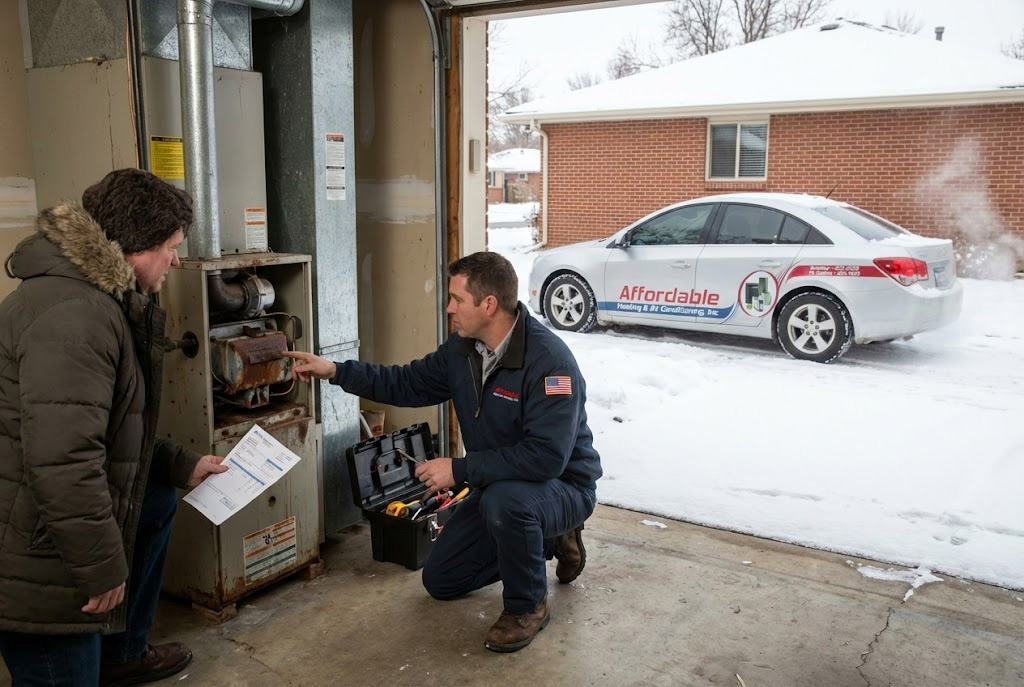
Your Heater Is Near or Past Its Expected Lifespan
Most furnaces and heating systems are designed to last 10-15 years with proper maintenance. If your system is approaching this range, reliability becomes a growing concern. Internal components wear down over time, efficiency declines, and the risk of sudden failure increases.
An aging heater may still operate, but that does not mean it will survive a full Northern Colorado winter. Proactive replacement eliminates the uncertainty that comes with relying on outdated equipment during prolonged cold spells.
You Are Scheduling Repairs More Often
Occasional repairs are normal, but frequent service calls are a red flag. When multiple components begin failing within a short period, it often signals that the system is reaching the end of its useful life. Investing in a heating replacement rather than repeated repairs provides better long-term value and peace of mind.
Heating Bills Keep Climbing
A noticeable increase in heating costs without a change in usage habits often points to declining system efficiency. Older heaters must work harder to produce the same level of warmth, consuming more fuel in the process. New heating systems are designed to operate far more efficiently, reducing energy waste and helping homeowners control long-term operating costs.
Uneven or Inconsistent Heat
Cold rooms, temperature swings, and areas of the home that never feel comfortable are common symptoms of a struggling heater. Older systems lose their ability to distribute heat evenly, especially as blowers weaken and internal components degrade. Replacing the heater restores consistent warmth throughout the home and eliminates the need for constant thermostat adjustments.
Strange Noises or Odors Are Becoming Common
Unusual sounds such as banging, rattling, squealing, or booming indicate mechanical problems that should not be ignored. These noises often mean parts are loose, worn, or failing internally. Burning smells that linger, metallic scents, or musty odors can indicate overheated components or airflow issues. Any gas or combustion-related smell requires immediate professional attention, as it may signal a serious safety issue.
Safety Concerns Increase With System Age
Older heating systems lack many of the safety features found in modern equipment. Cracked heat exchangers, failing sensors, and outdated controls increase the risk of unsafe operation. Replacing an aging heater improves household safety while providing more reliable, controlled heating throughout the winter.
Affordable Home Services helps Northern Colorado homeowners evaluate aging heating systems and determine whether proactive replacement is the best option. Planning ahead allows for proper system selection, professional installation, and uninterrupted comfort when winter is at its harshest.
Where quality and integrity meet… it’s not cheap, it’s Affordable.